
large led makeup mirror
The Importance of Machinist Gauge Pins in Precision Engineering In the realm of precision engineering, the importance of accuracy cannot be overstated. One of the fundamental tools that aid machinists in achieving the utmost precision is the gauge pin. Machinist gauge pins, also known as setting pins or gauge blocks, are cylindrical rods made to precise dimensions that serve as essential instruments in various measurement and alignment tasks. Their applications span a wide range of industries, including manufacturing, automotive, aerospace, and more. Understanding Gauge Pins Gauge pins are typically manufactured from high-quality steel or carbide, ensuring durability and resistance to wear. They come in standardized sizes and are often sold in sets, allowing machinists to select the appropriate pin for their specific needs. The precision of these pins is critical; even a slight deviation in size can lead to significant errors in measurements, which could propagate through the entire manufacturing process. This is why gauge pins are tested and certified to meet strict tolerances, often conforming to standards such as ISO, ASTM, or other relevant engineering specifications. Applications in Precision Engineering One of the primary uses of machinist gauge pins is in the inspection of hole sizes and alignments. For instance, a machinist may use a gauge pin to check the diameter of a drilled hole in a component . By inserting a gauge pin of a specified diameter, they can easily determine whether the hole meets the required specifications. If the pin fits snugly, it indicates the hole is the correct size; if it does not fit, adjustments can be made before moving forward with production. machinist gauge pins Moreover, gauge pins are instrumental in the setup and alignment of machinery. During the alignment of machine parts, machinists can use gauge pins to establish reference points. This practice ensures that components are correctly positioned, which is vital for the operation of CNC machines and other precision equipment. By using pins of known dimensions, machinists can establish accurate measurements, facilitating the overall assembly process. Benefits of Using Gauge Pins The benefits of utilizing machinist gauge pins extend beyond mere accuracy. They contribute to quality control by providing a straightforward method for verifying dimensions throughout the manufacturing process. This, in turn, minimizes the risk of producing defective parts, which can be costly in terms of both time and resources. Additionally, gauge pins are a cost-effective solution for maintaining precision. Once a set of gauge pins is purchased, they can be used repeatedly in various applications, making them a valuable investment for any machining workshop. Their robustness and repeatability ensure that machinists can rely on them for years, reducing the need for frequent replacements. Conclusion In conclusion, machinist gauge pins are indispensable tools in precision engineering. Their role in measurement, alignment, and quality control cannot be overlooked. As the manufacturing industry continues to emphasize precision and quality, the use of gauge pins will remain a cornerstone of effective machining practices. As technology advances and new machinery emerges, the need for rigorous standards and accuracy will only intensify, making machinist gauge pins more relevant than ever in the quest for superior engineering solutions. Whether in industrial settings or smaller workshops, these simple yet profound tools will continue to play a vital role in ensuring that precision engineering meets modern demands.
about
large led makeup mirror
The Importance of Right Angles in Measurement A Focus on the Ruler In the world of geometry, few concepts are as fundamental as the right angle. Defined as an angle of exactly 90 degrees, the right angle serves as a cornerstone for various fields, including architecture, engineering, and design. When we integrate this concept with traditional measuring tools, such as a ruler, we find a powerful instrument that has shaped our understanding of space and structure. A ruler is one of the most ubiquitous measuring devices. Typically a flat, elongated strip marked with units of measurement, it is an essential tool used in both educational settings and professional environments. Its primary function is to provide accurate measurements, but when it comes to the right angle, a ruler takes on an additional role as a guide for drawing, aligning, and constructing designs. Rulers that come equipped with a right-angle feature, commonly known as a T-square or a right-angle ruler, are particularly valuable. These tools have an arm that extends to form a precise 90-degree angle with the main body of the ruler. This feature is crucial for ensuring that lines and edges are straight and true . For example, in architectural design, the act of creating blueprints necessitates an exact understanding of angles. Using a ruler with a right-angle feature allows architects to form perfect corners, which dictate the overall integrity and aesthetic appeal of a structure. ruler with right angle In woodworking, the importance of right angles becomes even more pronounced. A woodworker relies on the precision of measurements to create joints that fit seamlessly together. Any deviation from a right angle can lead to defects, wasted materials, and project delays. Many woodworkers utilize square rulers, which provide immediate visual confirmation of right angles. When used alongside a standard ruler, this combination allows for the meticulous crafting of furniture and other wooden constructs. Moreover, the use of right-angle rulers extends beyond the realms of construction and design. In mathematics, the concept of a right angle plays a vital role in trigonometry and the Pythagorean theorem. By studying right triangles—triangles that contain a right angle—students can explore the relationship between the lengths of the sides and their angles. This mathematical exploration often utilizes rulers to draw triangles accurately, ensuring the sides align perfectly to form the right angles. In digital design, the relevance of right angles remains significant. Graphic designers often use software that replicates the functionalities of a ruler, allowing them to create precise layouts for websites, posters, and advertisements. The right angle ensures that elements are properly aligned, contributing to a visually pleasing and accessible design. Simultaneously, the digital realm introduces the concept of grids, where squares and rectangles embody right angles, further demonstrating their ubiquity in both real and virtual environments. In conclusion, the ruler serves as more than just a tool for measuring length; it is a vital element in ensuring precision and accuracy, especially when dealing with right angles. Whether in building, woodworking, mathematics, or digital design, the significance of right angles is undeniable. Their enduring presence across various fields highlights the importance of mathematical concepts in shaping our interaction with the world. The humble ruler, enhanced with the right-angle feature, remains an indispensable guide as we strive for accuracy and precision in our creations.
-

High quality industrial productsagement

High quality industrial products
View Details -

Meet the diverse needs of customers

Meet the diverse needs of customers
View Details -

Strict quality control

Strict quality control
View Details -

Top raw materials

Top raw materials
View Details -

Trusted supplier

Trusted supplier
View Details
Our application
news and information
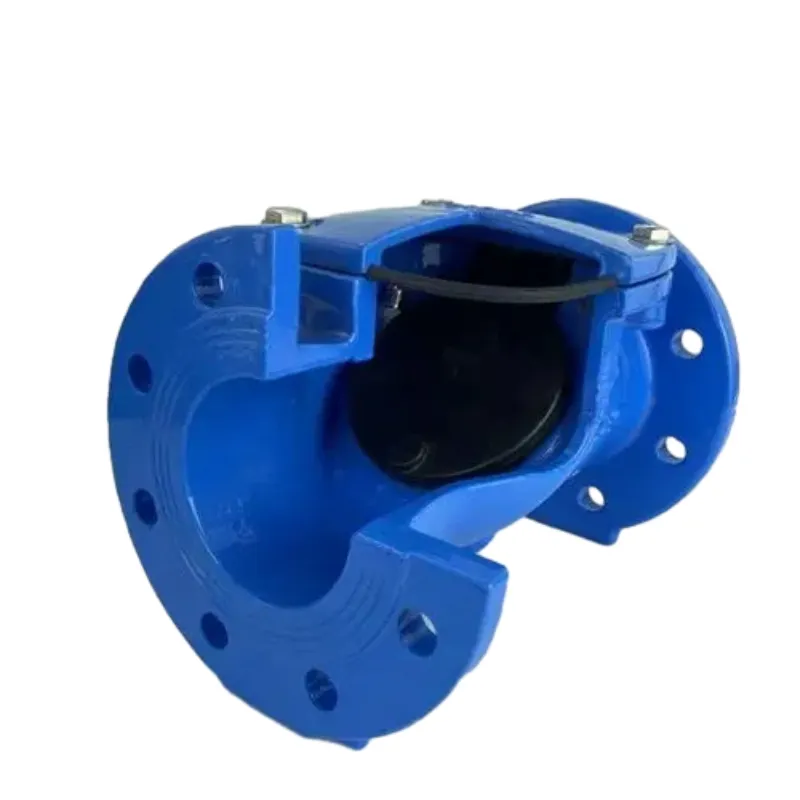
Vanne à papillon DN100 - Solutions de contrôle de fluides de haute qualité
La vanne à soupape DN100 Une solution essentielle pour la gestion des fluides Dans le domaine de l'i
Utilisation du niveau spirituel
L'utilisation du niveau à bulle un outil essentiel pour la précision dans la construction Le niveau
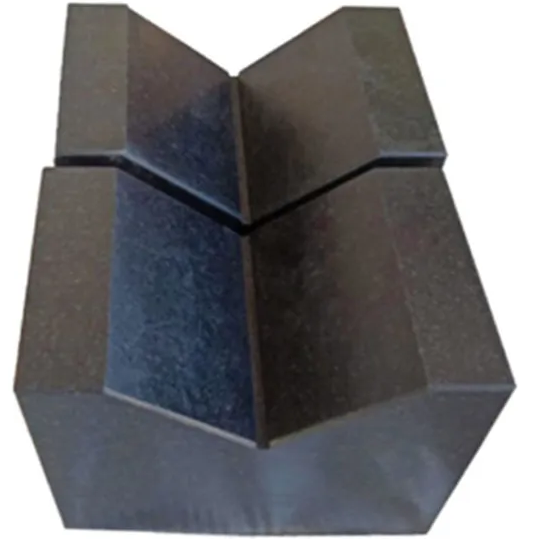
v block v block
Understanding V Block A Fundamental Tool in Manufacturing and Engineering In the world of manufactur
 English